
Understanding Common Construction Disputes – Causes and Solutions
Introduction: In the world of construction, disputes can arise at any stage of a project. From initial planning to completion, numerous parties are involved, including contractors, developers, designers, and property owners. Each one brings a unique perspective, and unfortunately, this can sometimes lead to misunderstandings or disagreements.
In the UK, construction disputes are not only common but can also be complex. This article sheds light on the most frequent types of disputes encountered, why they arise, and what steps can be taken to resolve them effectively.
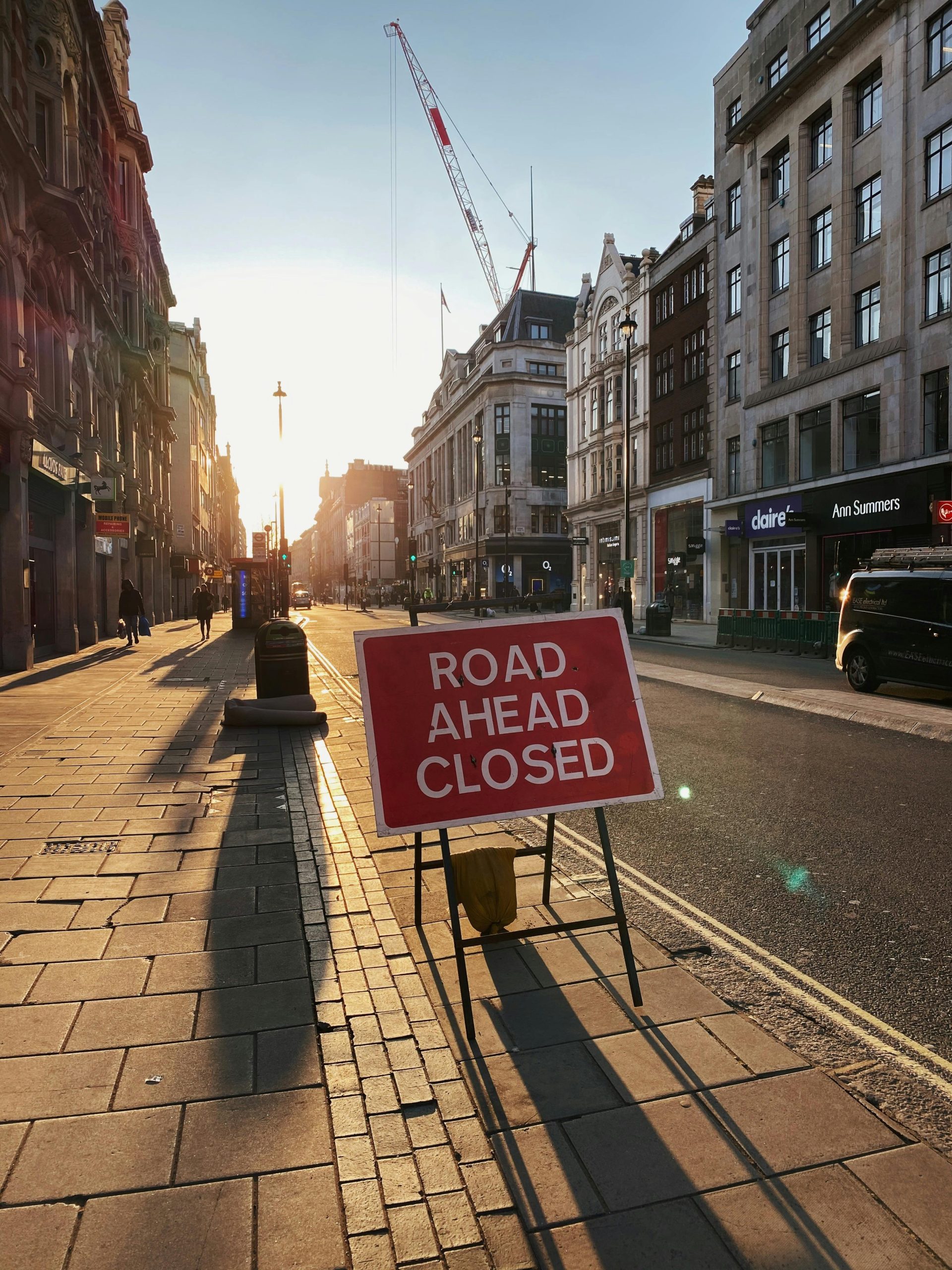
1. Payment Disputes: Why Money Matters in Construction
One of the most common types of construction disputes in the UK revolves around payment. Payment disputes can arise when contractors feel they haven’t been paid on time or in full, or when clients dispute the amounts being charged. These conflicts can be triggered by factors such as:
- Delayed payments: Sometimes, clients delay payments due to cash flow issues or a perceived underperformance of work. This can affect a contractor’s ability to pay their subcontractors and suppliers, creating a ripple effect.
- Underpayments or overpayments: Disagreements over the valuation of work completed often result in one party claiming they’ve been short-changed, while the other believes they’ve been overcharged.
- Discrepancies over changes: In construction projects, changes to the original plan are common. However, if variations are not documented and agreed upon, disputes can arise over additional costs.
Resolving these disputes usually involves reviewing the payment terms in the contract, conducting negotiations, or engaging in mediation to reach an agreement. If no agreement can be reached, the parties can refer the dispute to adjudication or issue court proceedings.
2. Delays and Scheduling Disputes: The Race Against Time
Time is money, and delays can cause significant financial strain. In construction, timing disputes are widespread because almost every party involved has tight schedules and deadlines to meet. Common causes include:
- Unrealistic timelines: Occasionally, projects are planned with ambitious timelines that don’t account for potential setbacks.
- Unforeseen events: Weather delays, material shortages, and even regulatory changes can impact schedules.
- Client or contractor delays: Sometimes, clients delay project decisions or contractors may lack resources, pushing back deadlines.
When a project falls behind schedule, disputes can arise over who is responsible for the delay and who should bear the associated costs. Contracts often include penalty clauses for delays, which can add pressure and intensify disputes.
3. Quality of Work and Defect Claims: Ensuring Workmanship Standards
Quality disputes are another major cause of contention in construction. If a client feels that the work completed doesn’t meet the agreed-upon standards, a dispute can arise. Quality disputes often involve:
- Defective work: This might include structural issues, poor finishing, installation problems or materials not meeting required standards.
- Failure to meet specifications: Disputes may occur if the finished product differs from what was promised in the initial designs.
- Latent defects: These are issues that aren’t immediately apparent but arise over time, such as water leakage or foundation problems.
The resolution of such disputes can involve inspections, expert assessments, and, if necessary, corrective work. In some cases, these disputes lead to claims for damages or compensation.
4. Contractual Disputes: The Importance of Clear Agreements
Contracts are the backbone of construction projects. A well-drafted contract should clearly outline responsibilities, payment terms, timelines, and quality standards. However, disputes still arise due to:
- Ambiguous clauses: Vague or poorly worded contracts can lead to different interpretations, creating conflict over obligations.
- Unfair contract terms: Sometimes, one party feels disadvantaged by certain clauses, particularly in contracts drafted by the other party.
- Breaches of contract: Failing to meet the agreed terms, whether intentional or not, can result in disputes.
Resolving contractual disputes typically requires close examination of the contract’s wording. In many cases, the parties may need legal intervention to clarify and enforce contract terms.
5. Variations and Scope Changes: Keeping Projects on Track
Construction projects are notorious for changes in scope. A client may decide to alter the design, add features, or change materials. While these changes can enhance a project, they can also lead to disputes when not managed well. Key issues include:
- Cost implications: Changes often increase project costs, and disagreements can arise over who should cover these additional expenses.
- Time delays: Adjustments to the project plan can also delay completion, leading to disagreements over responsibility.
- Failure to document changes: If variations aren’t documented properly, disputes can emerge over what was agreed and whether the changes are reasonable.
Clear communication and consistent documentation are vital to managing scope changes. A formal variation order process can help in reducing disputes by ensuring all parties are on the same page.
6. Health and Safety Disputes: Ensuring Safe Work Environments
The UK has strict health and safety regulations to protect everyone involved in construction projects. Disputes arise when there’s a perceived or actual breach of these regulations, often due to:
- Unsafe work practices: Workers may claim that safety standards aren’t being met, which can halt work until the issues are resolved.
- Liability for accidents: If an accident occurs on-site, disputes can arise over who is responsible.
- Non-compliance with legal standards: This might include issues like inadequate safety gear, improper waste disposal, or hazardous materials.
Health and safety disputes can be serious, as they impact the well-being of workers. Resolving these disputes may involve regulatory intervention or strict adherence to health and safety protocols.
7. Design Discrepancies: When Reality Doesn’t Match the Blueprints
Another frequent source of disputes involves differences between the project’s design and the completed work. Design discrepancies can arise due to:
- Errors in drawings: Mistakes in architectural plans or engineering calculations can lead to significant problems during construction.
- Miscommunication between parties: When designers, contractors, and clients aren’t aligned, the result can be misunderstandings which result in disputes.
- Unforeseen site conditions: Sometimes, the actual site conditions vary from what was expected, requiring design adjustments that can cause friction.
Resolving design-related disputes often involves consulting with third-party experts to determine if the designs were adequately followed or if adjustments are necessary.
8. Tendering Disputes: Issues Before Construction Even Begins
Tendering is the process of selecting contractors for a project. Disputes can emerge here if there are issues with the bidding process, including:
- Misrepresentation of qualifications: Disputes may arise if a contractor is found to lack the experience or capability claimed in their tender.
- Unfair awarding processes: When contractors feel that the selection process was biased or unfair, disputes can occur.
- Errors in tender documents: If the project requirements aren’t clearly stated, contractors may submit bids based on misunderstandings, leading to issues later.
Handling tendering disputes involves reviewing the selection process and, if necessary, opening the matter to reconsideration or compensation.
9. Neighbouring Landowner Disputes: Conflicts with Adjacent Properties
Construction projects don’t occur in isolation. They often impact neighbouring properties, leading to disputes with adjacent landowners. Common causes include:
- Boundary and access issues: Construction work may interfere with neighbouring properties, especially if there’s ambiguity over property lines.
- Noise and disruption complaints: Neighbours may become frustrated with the noise, dust, and inconvenience caused by nearby construction.
- Damage to neighbouring property: Construction activities can sometimes inadvertently cause damage, such as structural cracks in adjoining buildings.
Effective dispute resolution may involve communication, compensation, or implementing measures to minimise disruption.
Why Construction Disputes Occur – Key Contributing Factors
Understanding the underlying reasons why these disputes arise can help in avoiding them. Here are some core factors:
- Complexity of Projects: Construction projects involve numerous moving parts, making them inherently complex. This complexity makes misunderstandings and errors more likely.
- Communication Breakdowns: Poor communication between clients, contractors, and subcontractors often leads to misaligned expectations.
- Inadequate Documentation: Clear documentation can prevent disputes by setting precise expectations. When contracts or agreements are vague, disputes are more likely.
- Legal and Regulatory Requirements: Strict UK building regulations can sometimes be challenging to navigate, leading to disputes if parties interpret or apply them differently.
How to Prevent and Resolve Construction Disputes
Preventing disputes requires foresight and planning. Here are some effective strategies:
- Draft Clear Contracts: A well-defined contract is essential, covering every aspect of the project from payments to timelines to quality standards.
- Effective Communication: Regular updates and open communication can help align expectations and reduce misunderstandings.
- Keep Detailed Records: Documentation, including photographs, correspondence, and signed agreements, can be invaluable in resolving disputes.
- Consider Mediation or Adjudication: Dispute resolution methods like mediation or adjudication can be faster and less costly than litigation.
- Seek Expert Legal Guidance: Having legal experts involved from the outset can help in structuring agreements that protect all parties and provide a framework for addressing disputes.
Conclusion: Navigating Construction Disputes with Confidence
Construction disputes are challenging but not insurmountable. By understanding the common causes and investing in clear communication, robust contracts, and proactive dispute resolution methods, parties can minimise conflicts and complete projects more smoothly.
For those facing construction disputes, seeking experienced legal support can make all the difference. Our team is here to help you navigate these complex issues, protect your interests, and achieve the best possible outcome.
For further information on how we help construction companies with their disputes please click HERE.
The information contained in this article is for information purposes only and should not be relied upon. All information is provided in good faith. It is not intended to be, and does not constitute, legal advice. No liability is accepted for any reliance on the information provided in this article. Legal advice should be sought on any particular issue.
